DNA Pharmacogenetics TestDNA Pharmacogenetics TestDNA Pharmacogenetics Test
DNA Pharmacogenetics Test

DNA Pharmacogenetics Test

Regular price €269,00 | Save €-269,00(0% off)
/

FREE SHIPPING

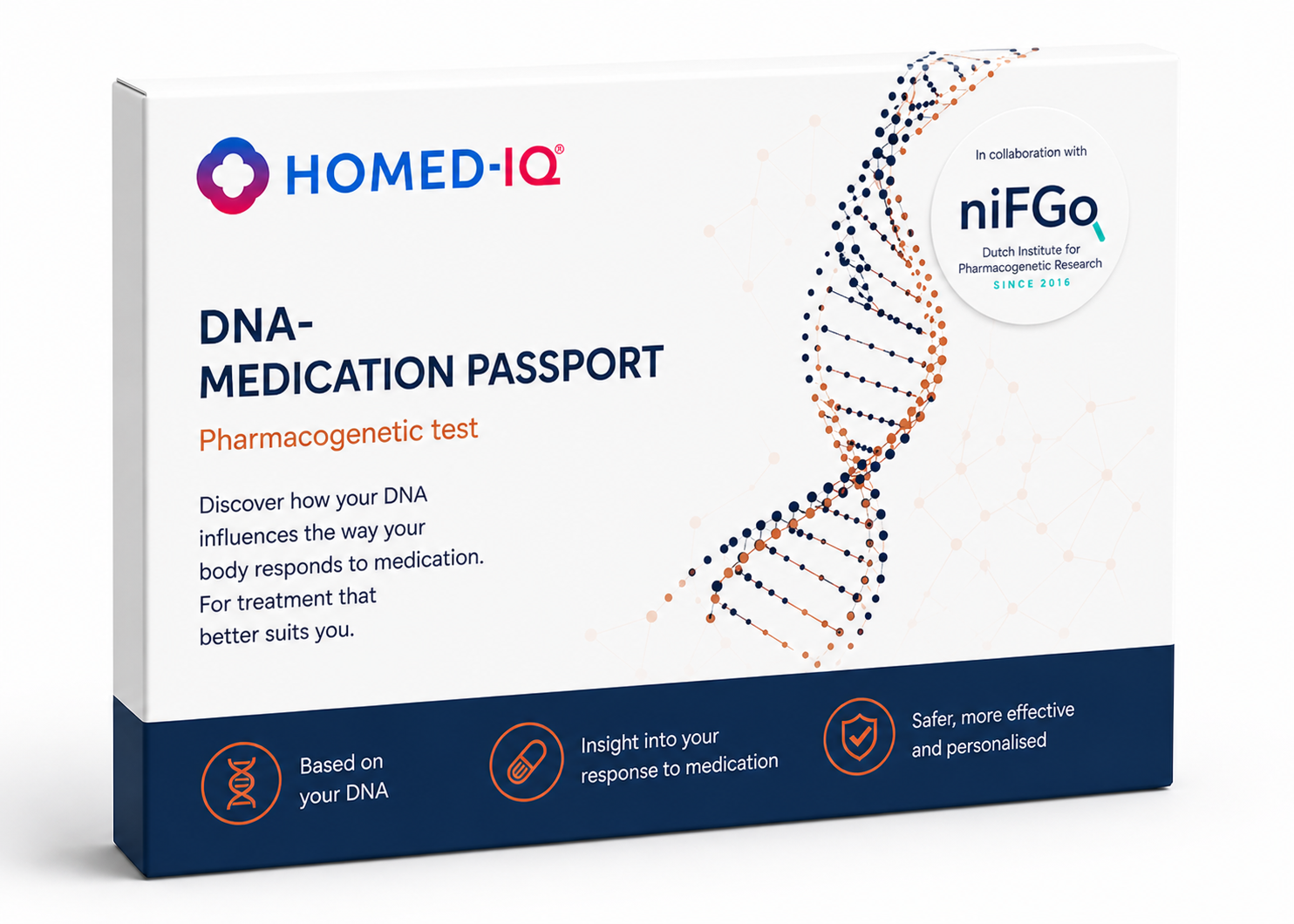
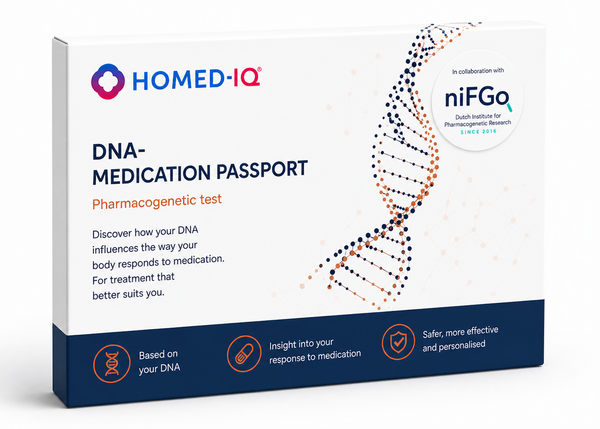
Medications can affect people differently depending on their genetic makeup. The Pharmacogenetics Test analyses important genetic variations that influence how your body processes and responds to certain medications. With a simple at-home DNA sample, this test helps you gain insight into how your genes may impact medication effectiveness, dosage requirements, and the likelihood of side effects.

The results can support more personalised healthcare decisions together with your doctor or healthcare provider. Whether you are currently using medication, have experienced side effects in the past, or want to better understand your body’s response to treatment, this test provides valuable insights into your genetic profile.

Test mode:
Saliva test


What do we test for?

Notify me when available

You have already submited form for Default Title

Thanks for contacting us. We'll get back to you as soon as product / variant is back in stock.
  • Buy 2 or more products and get 5% off your order
  • Ordered before 17:00, shipped today
  • Analyzed in ISO-certified laboratory
  • Test results available in 4-6 weeks
0
DNA Pharmacogenetics Test

DNA Pharmacogenetics Test

€269,00

The Pharmacogenetics Test analyses important genetic biomarkers linked to the metabolism and effectiveness of medications. Many commonly prescribed drugs are processed by liver enzymes known as Cytochrome P450 enzymes. Genetic differences in these enzymes can significantly influence how medications work in your body.

This test evaluates a broad range of pharmacogenetic genes associated with medication groups such as:

  • Antidepressants and psychiatric medication
  • Cardiovascular medication
  • Pain medication
  • Blood thinners
  • Cholesterol-lowering medication
  • Gastrointestinal medication
  • Oncology-related medication
  • Immunosuppressants and other prescription drugs

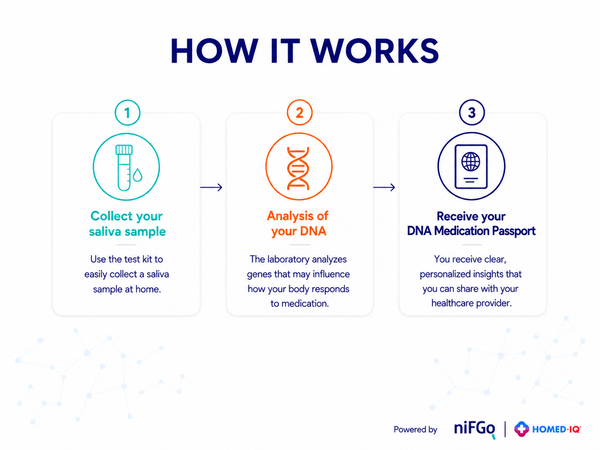
The DNA sample is collected easily at home using a saliva kit and analysed in a certified laboratory. After analysis, you receive a detailed digital report outlining your pharmacogenetic profile and how your genetics may influence medication metabolism and response.

This test includes analysis of clinically relevant genes involved in drug metabolism, transport, and medication sensitivity. These biomarkers are widely used within pharmacogenetics and are linked to dosing recommendations and medication response guidelines.

The analysed biomarkers include genes such as:

  • CYP1A2
  • CYP2B6
  • CYP2C9
  • CYP2C19
  • CYP2D6
  • CYP3A4
  • CYP3A5
  • DPYD
  • SLCO1B1
  • TPMT
  • VKORC1
  • UGT1A1
  • COMT
  • HLA-B*1502
  • HLA-B*5701
  • HLA-A*3101
  • NUDT15
  • G6PD

These genes are associated with the metabolism of a large number of medications and may influence whether someone is a normal, intermediate, rapid, or poor metaboliser. Certain genetic variants can also increase sensitivity to specific medications or increase the risk of adverse reactions.

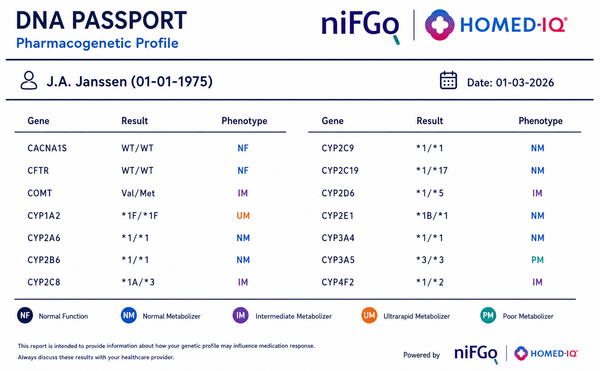
After your sample has been analysed, you will receive a secure online report with a comprehensive overview of your pharmacogenetic profile. The report explains how your genetic variants may influence the processing and effectiveness of specific medications and includes phenotype classifications where relevant, such as:

  • Normal metaboliser
  • Intermediate metaboliser
  • Poor metaboliser
  • Ultra-rapid metaboliser

Your report also includes medication-related interpretations based on established pharmacogenetic guidelines and clinically relevant gene–drug interactions. This information can support discussions with your doctor, specialist, or pharmacist regarding medication choice and dosing.

The results are intended for informational and supportive purposes and should always be interpreted together with a qualified healthcare professional. Medication should never be started, adjusted, or discontinued solely based on the results of this test.

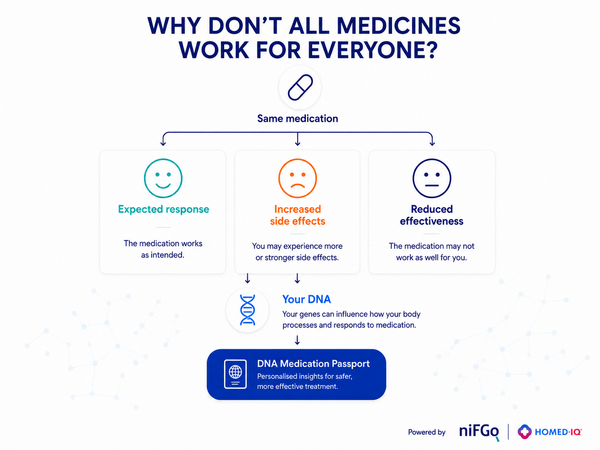
People can respond very differently to the same medication. While one person may experience the intended effect, another may notice limited effectiveness or unexpected side effects. Pharmacogenetics helps explain part of these differences by analysing genetic variations involved in how medicines are processed in the body.

A pharmacogenetics test may help:

  • Identify medicines that may be processed too quickly or too slowly
  • Reduce the risk of side effects or adverse drug reactions
  • Support more personalised medication choices and dosing
  • Improve understanding of why certain treatments may not have worked as expected
  • Provide valuable information before starting new medication

These insights can support more informed discussions with your doctor, pharmacist, or healthcare provider and may help optimise treatment decisions based on your individual genetic profile.

About the Test

The Pharmacogenetics Test analyses important genetic biomarkers linked to the metabolism and effectiveness of medications. Many commonly prescribed drugs are processed by liver enzymes known as Cytochrome P450 enzymes. Genetic differences in these enzymes can significantly influence how medications work in your body.

This test evaluates a broad range of pharmacogenetic genes associated with medication groups such as:

  • Antidepressants and psychiatric medication
  • Cardiovascular medication
  • Pain medication
  • Blood thinners
  • Cholesterol-lowering medication
  • Gastrointestinal medication
  • Oncology-related medication
  • Immunosuppressants and other prescription drugs

The DNA sample is collected easily at home using a saliva kit and analysed in a certified laboratory. After analysis, you receive a detailed digital report outlining your pharmacogenetic profile and how your genetics may influence medication metabolism and response.

What is measured?

This test includes analysis of clinically relevant genes involved in drug metabolism, transport, and medication sensitivity. These biomarkers are widely used within pharmacogenetics and are linked to dosing recommendations and medication response guidelines.

The analysed biomarkers include genes such as:

  • CYP1A2
  • CYP2B6
  • CYP2C9
  • CYP2C19
  • CYP2D6
  • CYP3A4
  • CYP3A5
  • DPYD
  • SLCO1B1
  • TPMT
  • VKORC1
  • UGT1A1
  • COMT
  • HLA-B*1502
  • HLA-B*5701
  • HLA-A*3101
  • NUDT15
  • G6PD

These genes are associated with the metabolism of a large number of medications and may influence whether someone is a normal, intermediate, rapid, or poor metaboliser. Certain genetic variants can also increase sensitivity to specific medications or increase the risk of adverse reactions.

About the Test Results

After your sample has been analysed, you will receive a secure online report with a comprehensive overview of your pharmacogenetic profile. The report explains how your genetic variants may influence the processing and effectiveness of specific medications and includes phenotype classifications where relevant, such as:

  • Normal metaboliser
  • Intermediate metaboliser
  • Poor metaboliser
  • Ultra-rapid metaboliser

Your report also includes medication-related interpretations based on established pharmacogenetic guidelines and clinically relevant gene–drug interactions. This information can support discussions with your doctor, specialist, or pharmacist regarding medication choice and dosing.

The results are intended for informational and supportive purposes and should always be interpreted together with a qualified healthcare professional. Medication should never be started, adjusted, or discontinued solely based on the results of this test.

Why do a pharmacogenetics test?

People can respond very differently to the same medication. While one person may experience the intended effect, another may notice limited effectiveness or unexpected side effects. Pharmacogenetics helps explain part of these differences by analysing genetic variations involved in how medicines are processed in the body.

A pharmacogenetics test may help:

  • Identify medicines that may be processed too quickly or too slowly
  • Reduce the risk of side effects or adverse drug reactions
  • Support more personalised medication choices and dosing
  • Improve understanding of why certain treatments may not have worked as expected
  • Provide valuable information before starting new medication

These insights can support more informed discussions with your doctor, pharmacist, or healthcare provider and may help optimise treatment decisions based on your individual genetic profile.

FAQs

What is a pharmacogenetics test?

A pharmacogenetics test analyses specific genes involved in how your body processes medications. The results can help predict whether certain medicines may work normally, less effectively, or cause an increased risk of side effects.

How can my DNA affect medication?

Your genes influence how quickly your body breaks down and processes medicines. Some people metabolise medications very quickly, while others process them more slowly, which can affect effectiveness, dosing, and the likelihood of side effects.

Who can benefit from a pharmacogenetics test?

This test may be helpful for people who:

  • Experience side effects from medication
  • Feel their medication is not working as expected
  • Use multiple medications
  • Want proactive insight before starting treatment
  • Have a history of unusual medication responses

It can also be valuable for doctors and pharmacists when choosing medication or adjusting dosage.

Can this test tell me which medication is best for me?

The test does not directly prescribe medication, but it can provide valuable information about how your body may respond to certain medicines. Your doctor or pharmacist can use this information to support treatment decisions.

Do I need to stop my medication before taking the test?

No. The test analyses your DNA, which does not change based on current medication use. You can usually continue taking your medication as prescribed unless advised otherwise by your healthcare provider.

Will my DNA change over time?

No. Your pharmacogenetic profile is lifelong and does not change over time. In most cases, this test only needs to be performed once.

Can I share my results with my doctor or pharmacy?

Yes. The report is designed to be shared with healthcare professionals and may help support medication reviews, dosing decisions, and treatment discussions. Some pharmacies can also register pharmacogenetic results in your medication file.

Does a genetic variant always mean a medicine is unsafe?

No. A genetic variant does not automatically mean a medication is dangerous or unsuitable. In many cases, the information may simply help guide dosage adjustments or closer monitoring.

Is this test useful even if I’m healthy?

Yes. Many people choose pharmacogenetic testing proactively so they already have their genetic medication profile available if they need medication in the future.

How does it work?

  • Woman in professional cozy kitchen with Homed-IQ test kit
    1

    Order your test

    Fast and discrete letterbox delivery

  • 2

    Activate & take your sample

    Video instructions included

  • 3

    Laboratory analysis

    ISO - Certified lab network

  • 4

    Receive your results

    Easy access through mobile

Compare STI Tests

Compare STI Tests

Rated Excellent on Trustpilot

What are you looking for?

Popular Searches:  STI  Blood  Swab  Urine  Allergy