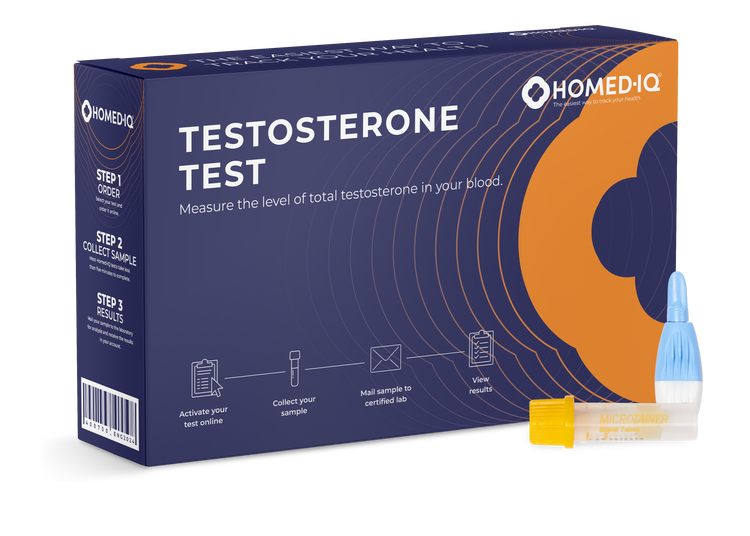
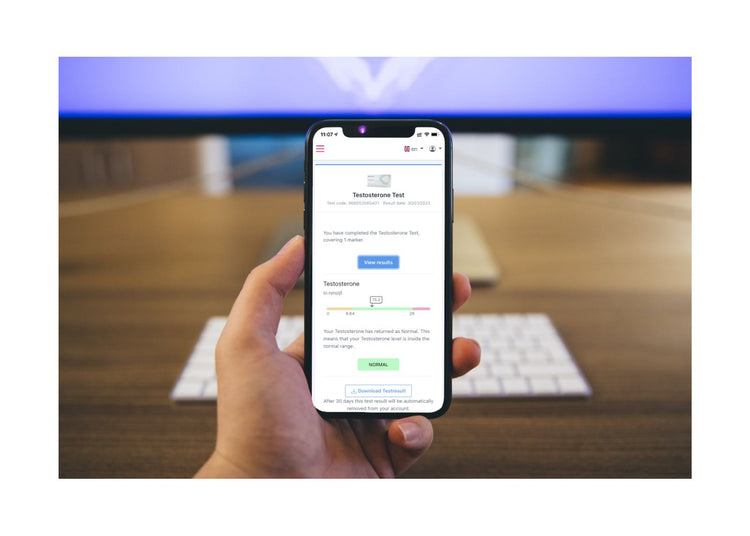
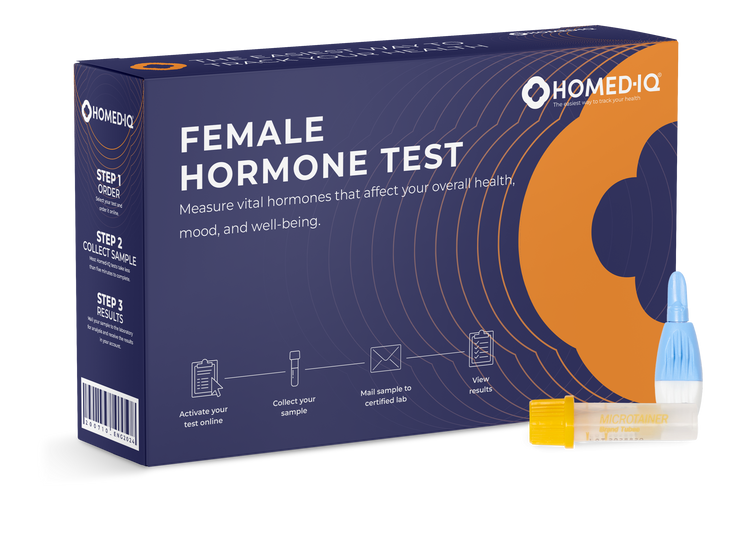
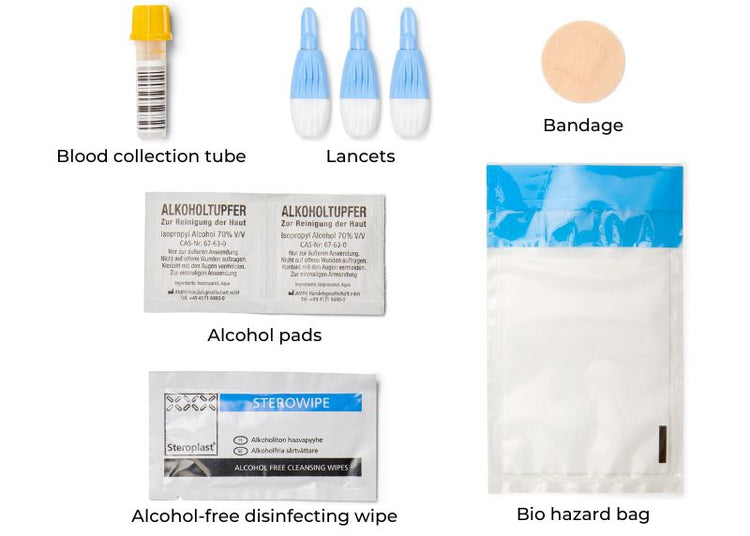
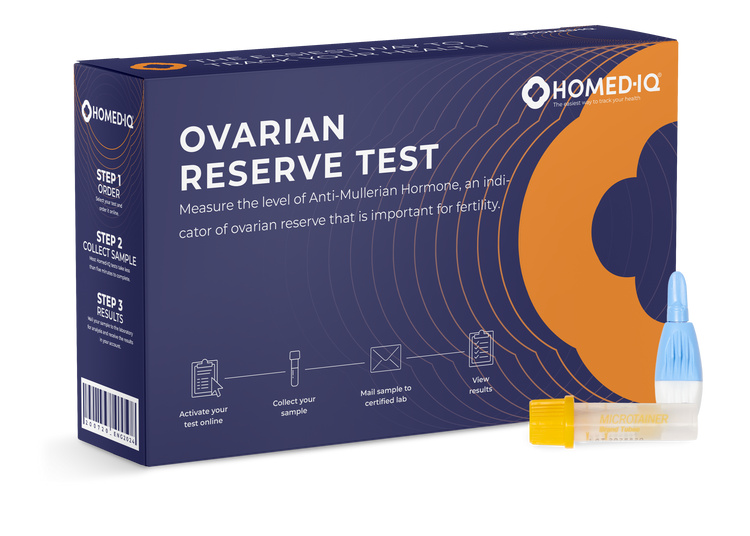
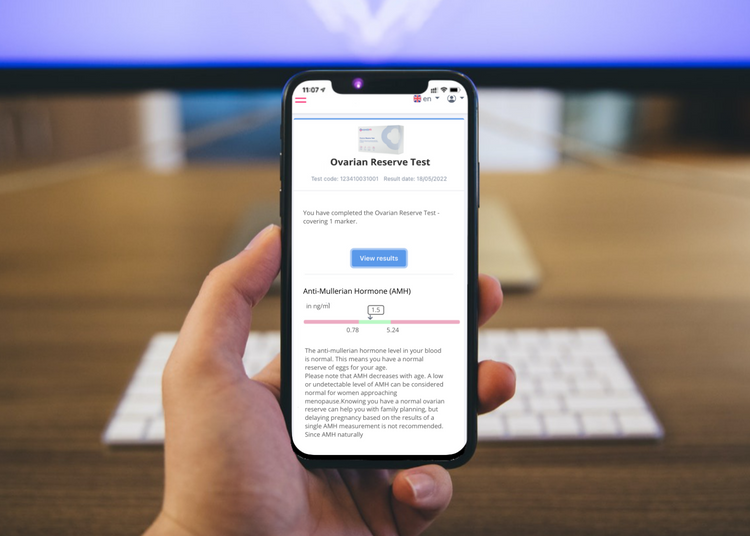
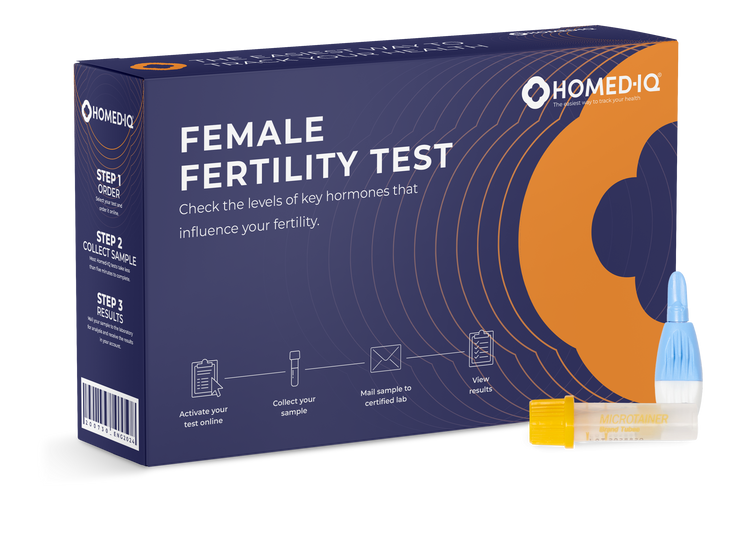
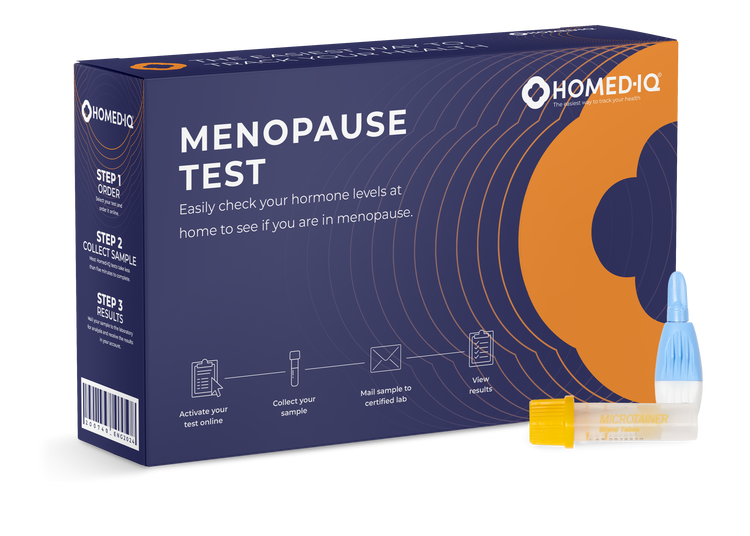
Understanding your fertility starts with gaining the right insights into your body. Whether you are trying to conceive, planning for the future, or simply curious, a fertility test can provide clarity. Homed-IQ offers certified at-home fertility tests for both men and women, with samples collected privately at home and analysed in accredited laboratories to the same standard as a GP. This means you benefit from discretion, ease, and reliable results. Explore the range to find the test that fits your situation.
What can affect your fertility
Fertility can be influenced by a range of factors that affect both men and women. Understanding these factors can help you decide whether testing may be useful:
- Age plays a key role, as fertility gradually declines over time for both men and women
- Smoking and tobacco use can reduce fertility and negatively affect sperm and egg quality
- Alcohol consumption may disrupt hormone balance and impact reproductive health
- Being overweight or underweight can interfere with hormone regulation and fertility
- Eating disorders or restrictive diets may increase the risk of fertility problems
- Exposure to environmental toxins such as chemicals or pesticides can affect reproductive function
- Sexually transmitted infections (STIs) can impact fertility if left untreated
- Chronic conditions and hormonal disorders can interfere with normal reproductive processes
Signs that may indicate a fertility concern
The main sign of infertility is difficulty getting pregnant after a period of regular, unprotected sex. In many cases, there are no clear symptoms at all, but some signs may indicate it is worth looking into:
- Difficulty conceiving after 12 months of regular, unprotected sex
- Pelvic or abdominal pain
- Irregular periods, absent periods, or unusual vaginal bleeding
- Very painful menstrual cycles
- Problems with sexual function, such as issues with ejaculation
- A known history of reproductive or hormonal conditions
- Previous sexually transmitted infections or pelvic infections
- A history of cancer treatment, such as chemotherapy or radiation
- Previous miscarriages or known fertility problems
Many couples eventually conceive, with or without treatment. Even without clear symptoms, testing can provide valuable insight if you are planning to start a family.
What you can test with a fertility test
Fertility testing focuses on aspects for men and women, both of which can be assessed from home:
- Ovarian reserve Understand how many eggs remain and gain insight into your reproductive timeline
- Hormonal balance Reproductive hormones regulate ovulation, sperm production, and overall fertility, and imbalances can affect your chances of conceiving
- Ovulation and cycle regulation Certain hormones help determine whether ovulation is occurring regularly and whether your cycle is functioning as expected
- Male reproductive health Hormones play a crucial role in sperm production, libido, and overall fertility in men
- Thyroid function The thyroid influences hormone balance and can have a direct impact on fertility in both men and women
Together, these insights provide a clear overview of your reproductive health and can help you take informed next steps, whether you are trying to conceive now or planning ahead.
Markers we test
- Anti-Müllerian Hormone (AMH) reflects ovarian reserve and provides insight into the remaining egg supply
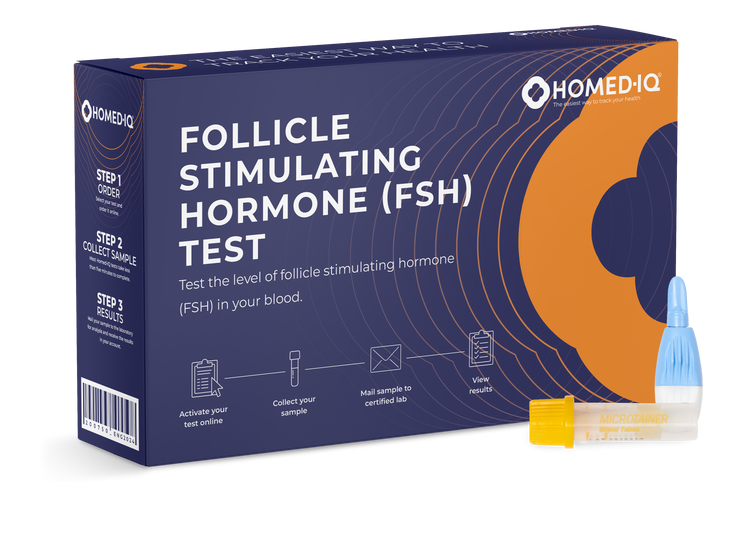
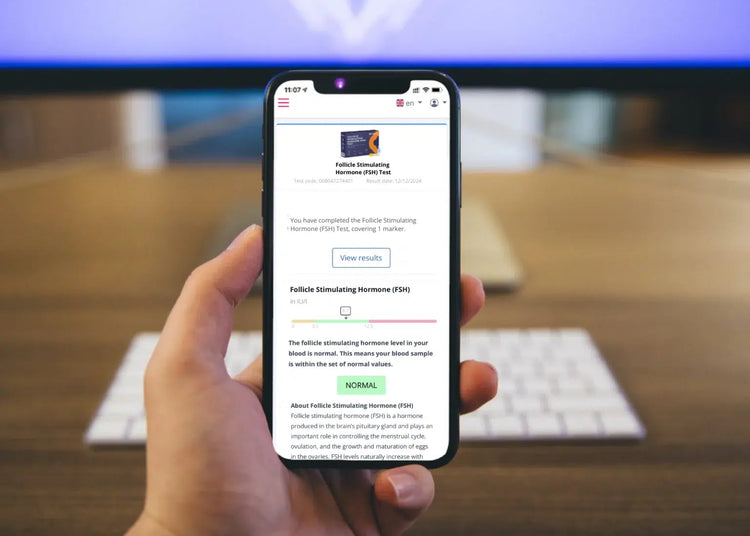
- Follicle Stimulating Hormone (FSH) plays a key role in egg development in women and sperm production in men
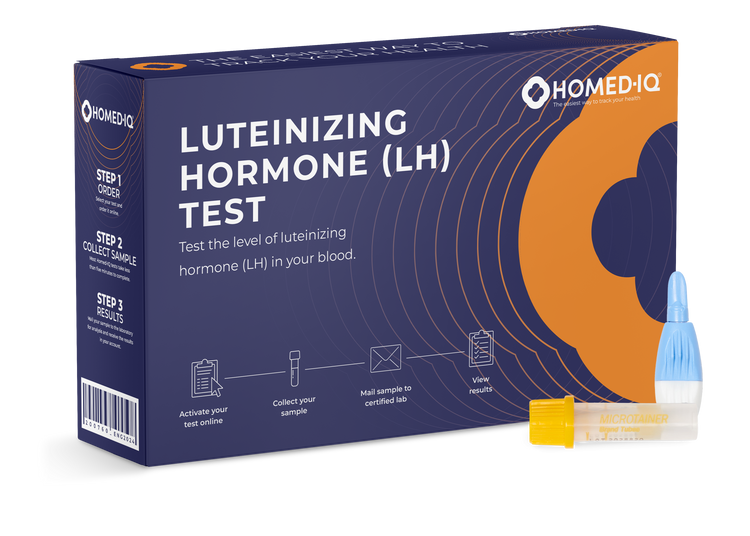
- Luteinizing Hormone (LH) regulates ovulation in women and supports testosterone production in men
- Estradiol is involved in egg maturation and the regulation of the menstrual cycle
- Total Testosterone contributes to sperm production, libido, and overall reproductive health
- Prolactin helps regulate reproductive hormones, but elevated levels can interfere with fertility
- Thyroid Stimulating Hormone (TSH) supports overall hormonal balance and can influence fertility in both men and women
These markers play many more vital roles throughout the body beyond the functions listed above.
How it works
- Order your test
Choose the test (online) that suits your needs and have it delivered to your home. You do not need a referral. - Collect your sample at home
Follow the clear instructions to collect your sample at home using the provided materials - Send your sample to the lab
Use the prepaid return label to send your sample to our certified laboratory - Receive your results
Access your results securely online within a few working days, with support available if needed
If your results are abnormal, you can always contact the Homed-IQ team for further explanation.
How we ensure accurate results
Homed-IQ uses the same analysis methods as professional medical laboratories. This means the tests have high sensitivity and specificity, ensuring reliable outcomes. Results are interpreted based on established medical reference values, so you know exactly where you stand. For more details about our methodology, you can visit the “Science” section on our website.
Certified laboratory quality
All analyses are performed by partner laboratories with recognized certifications:
- DAkkS accreditation: Independent verification by Germany’s national accreditation body that the laboratory operates in accordance with strict quality and regulatory standards.
- ISO/IEC 17025: Guarantees technically accurate and reliable test results through validated methods, calibrated equipment, and full traceability.
- ISO 15189: Ensures medical-grade quality, with a focus on accurate diagnostics, patient safety, and professional laboratory practices.
- RiLiBÄK 2019 (allergy test): The allergy test is performed in a specialised laboratory that follows the German Medical Association’s quality guidelines (RiLiBÄK 2019), ensuring reliable and standardised diagnostic procedures.
This means your results are scientifically grounded and trustworthy, so you can make informed decisions about your health.